Introduction: The Magic of Texture in Interior Design
When it comes to elevating the classy attraction of your place, probably the most such a lot enthralling approaches is layering textures. This follow now not only adds intensity and size however also creates a tactile experience that engages the senses. In this newsletter, we delve into The Art of Layering Textures in Your Home with Guidance from The Flooring Studio, coming across the way to harmonize several resources and elements to create a gorgeous dwelling space.

As you navigate using this booklet, you’ll come across specialist advice from The Flooring Studio on settling on the proper textures for different locations of your private home, making certain that each one room reflects your one-of-a-kind style whereas last cohesive. Whether you’re a professional clothier or a beginner venturing into the sector of domicile decor, this wide assist will guide you grasp the paintings of texture layering.
Table of Contents
Understanding Texture in Interior Design- 1.1 What is Texture? 1.2 Why is Texture Important?
- 2.1 Natural vs. Synthetic 2.2 Hard vs. Soft Textures
- three.1 Choosing Complementary Colors three.2 Creating Contrast
- 4.1 Living Room: A Cozy Retreat four.2 Bedroom: A Sanctuary of Comfort 4.three Kitchen: Functional Elegance four.four Bathroom: Spa-like Serenity
- five.1 Selecting the Right Flooring Materials 5.2 Mixing Patterns and Textures
- 6.1 Pillows and Throws 6.2 Rugs and Carpets 6.three Wall Art and Decor
- 7.1 Spring/Summer Refresh 7.2 Fall/Winter Warmth
Common Mistakes to Avoid
FAQs
Conclusion
Understanding Texture in Interior Design
What is Texture?
Texture refers back to the surface caliber of an object—the way it feels while touched or the way it appears visually in terms of roughness, smoothness, softness, or hardness.
Why is Texture Important?
Texture plays an needed function in creating visual pastime inside of a area; it could radically change a flat design into an inviting and dynamic atmosphere.
Types of Textures
Natural vs. Synthetic
Natural textures contain material like picket, stone, and textiles derived from flora or animals, whereas synthetic textures are manufactured substances like vinyl or polyester.
Hard vs. Soft Textures
Understanding the change between not easy textures (like steel or glass) and cushy textures (like cloth or wool) is critical while layering material efficiently.
The Role of Color in Layering Textures
Choosing Complementary Colors
When layering textures, or not it's central to decide on colors that complement every single other to shield solidarity in the course of your own home’s design.
Creating Contrast
Contrast might be achieved through pairing faded and darkish colours along various textures; this procedure provides depth and intrigue to any house.
Layering Techniques for Different Spaces
Living Room: A Cozy Retreat
In your living room, recall by means of plush fabric alongside modern leather-based for furnishings items, layered with ornamental cushions that invite leisure.
Bedroom: A Sanctuary of Comfort
Your bedroom should always exude tranquility; think gentle linens paired with textured throws over an opulent rug underneath your ft as you step away from bed every one morning.
Kitchen: Functional Elegance
In kitchens, incorporating textural elements like a tough-hewn timber dining table observed by means of smooth ceramic dishware can create an inviting surroundings without sacrificing performance.
Bathroom: Spa-like Serenity
For lavatories, give some thought to layering tender tiles with plush towels and textured wall paintings to rouse a sense of calm resembling excessive-cease spa reports.
Incorporating Flooring into Your Design
Selecting the Right Flooring Materials
The sort of floor you judge appreciably influences texture layering; hardwood gives you heat even though tiles can deliver graceful modernity.
Mixing Patterns and Textures
Experiment with one-of-a-kind patterns—such as herringbone or chevron—on your flooring alternatives so as to add visual attention whilst holding simple harmony all through your spaces.
Accessories That Enhance Texture
Pillows and Throws
No living house is complete with no cautiously particular pillows and throws; these items no longer only add comfort yet also strengthen textural evaluation within your design scheme.
Rugs and Carpets
Area rugs can anchor a room's layout while adding layers—choose bold patterns or individual weaves that draw focus underfoot!
Wall Art and Decor
Artwork can introduce new textures by combined mediums; discover portions comprised of steel, wooden, cloth, or even ordinary resources like driftwood for brought intensity!
Seasonal Layering Strategies
Spring/Summer Refresh
Lighten up! Swap heavier textiles for airy materials—the warmness encourages breezy designs providing floral styles blending seamlessly with nature-prompted hues.
Fall/Winter Warmth
https://maps.app.goo.gl/gjKa9biCrrrhvb5dAEmbrace secure vibes by means of introducing thicker textiles—feel wool blankets draped over chairs paired with heat color palettes reflecting autumn leaves!
Common Mistakes to Avoid
When layering textures in your private home decor event, keep overwhelming spaces via being mindful about stability—too many competing kinds can result in chaos rather then brotherly love!
FAQs
Q1: What are a few handy methods to layer textures at dwelling house?
A1: Start small! Use pillows on sofas, combine materials like velvet curtains towards silk blinds & comprise rugs over hardwood flooring for fast result!
Q2: How do I decide on colours that complement my textured layers?
A2: Stick inside a coloration kinfolk but range tones—let's say combining mild beige & deeper taupe creates subtle contrast although maintaining unity!
Q3: Can I use distinct patterns such as specific textures?
A3: Absolutely! Just be sure there is commonality between colorations used so they harmonize fantastically inspite of distinctive patterns/textiles being hired!
Q4: Should I focal point greater on delicate or difficult textures when designing my area?
Q5: How generally will have to I trade layers structured on seasons?
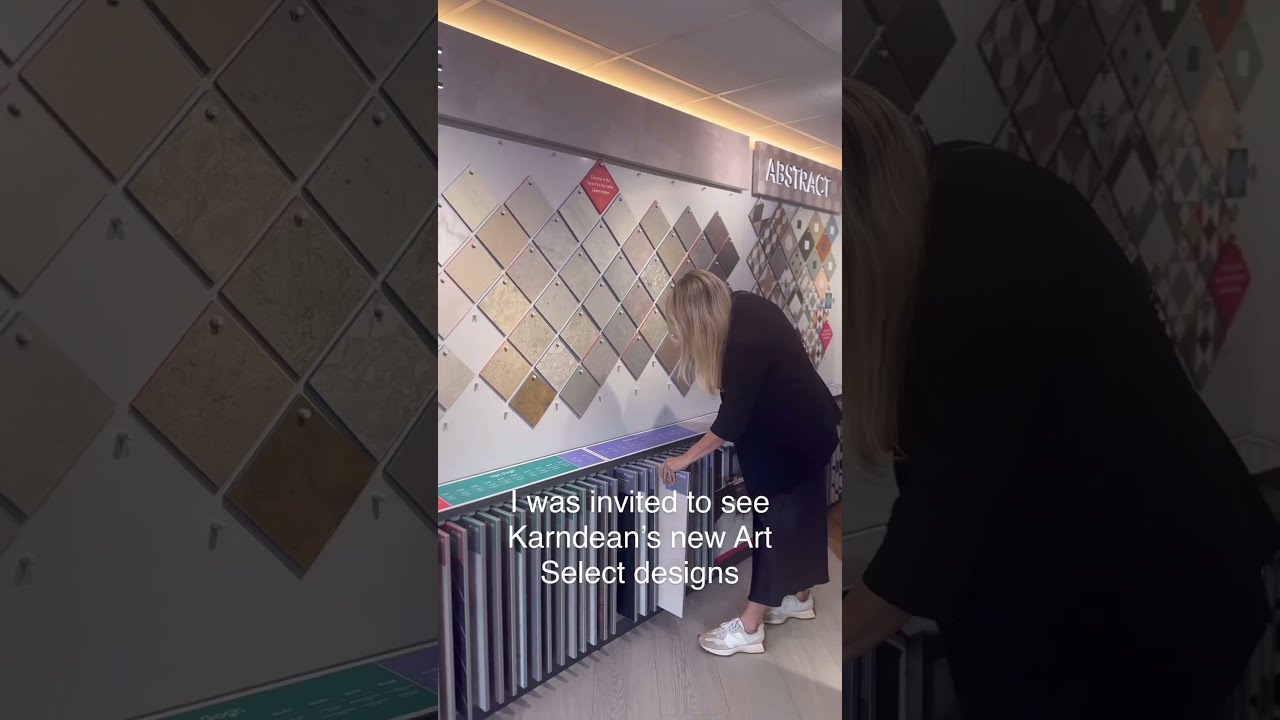
Q6: What’s the terrific approach to comprise floor texture into my normal design?
A6: Consider either color & material possibilities—wooden floors pair beautifully with comfortable rugs whereas tiles raise contemporary aesthetics when layered thoughtfully!
Conclusion
Mastering The Art of Layering Textures in Your Home with Guidance from The Flooring Studio facilitates you to specific individuality even though crafting areas crammed with warm temperature and man or woman! By involved in a large number of materials—from flooring alternate options specific at The Flooring Studio down with the aid of components further later—you may create an inviting retreat tailored perfectly around confidential taste alternatives! So pass ahead—dare your self to test boldly as you reap beautiful textured layers in the course of each and every corner inside your treasured homestead!